







Search Results for: Hot Latte With Ice

Why Does Removing Ice from a Latte Affect Flavor? Is It Feasible to Add Ice to a Hot Latte? A Detailed Explanation of Key Latte-Making Points
Can a latte be ordered without ice? Can ice cubes be added to a hot latte? These seemingly simple questions actually involve the ratio of milk to coffee, the extraction state of the espresso, and the control of milk temperature. Starting from the fixed ratio of a good latte, Front Street Coffee analyzes how removing or adding ice affects the flavor, and systematically sorts out the causes and solutions for the three common problems of lattes: too bitter, too watery, and both bitter and bland. Whether you are a beginner just starting out or a veteran looking to produce consistent results, you can find practical directions for adjustment. [more…]
Why is a latte not suitable for removing the ice? Is it okay to add ice cubes to hot coffee—hot coffee with fresh milk actually only has a room-temperature mouthfeel.
Many people's memory of their first latte has already faded, but Front Street Coffee still remembers the surprise brought by that cup of latte with exquisite latte art: the first sip carries the slight sweetness and bitter notes of the crema, the second sip turns mellow and delicate, forming just the right balance with the light sweetness of hot milk, and the finish still carries a creamy chocolate-like aftertaste. A good cup of latte cannot do without the fixed ratio of milk to coffee. An iced latte, once the ice is removed, often has the gap filled with milk, and the coffee flavor becomes weaker as a result; a hot latte is already made at the perfect ratio with the milk temperature properly controlled, so it is naturally not suitable to add ice cubes. This article centers on the latte recipe, analyzing the causes of common problems such as being too bitter, too watery, or both bitter and weak, and provides the practical parameters and adjustment ideas from Front Street Coffee's stores. [more…]

Complete Guide to Ice Coffee Ice Cube Ratios: Ice Techniques for Americano, Latte, Pour-Over, Cold Brew, and Ice Drip
Every spring and summer, iced coffee becomes many people's go-to daily choice, and "exactly how much ice to add" is always the trickiest part of home brewing. Ice in coffee isn't just a cooling tool—it also affects aroma retention and how long the chill lasts. This article covers three main categories—espresso, pour-over, and cold brew and ice drip—and, combined with the characteristics of coffee beans at different roast levels, provides specific ice ratios and practical tips. It also explains how the texture, size, and freezing method of ice affect the final taste, helping you make a cup of iced coffee at home with just the right strength, flavor, and chill. [more…]
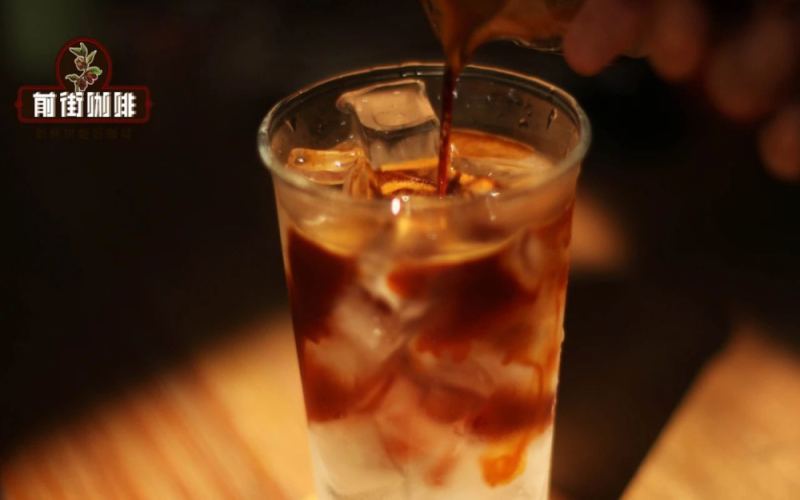
Five Advanced Ways to Drink Americano: Ice, Ristretto, Latte Art, Milk, and Long Black Differences Explained
In the Italian coffee system, the combination of milk and espresso has given rise to a rich variety of drinks such as the latte, cappuccino, and flat white, while the pairing of water and coffee seems to offer only one option: the Americano. This is not actually the case—the Americano likewise has many variations. This article will systematically introduce five unconventional ways to make an Americano, including iced Americano with all ice, lava-style iced Americano, latte-art hot Americano, Americano with milk, and the Long Black, analyzing one by one their preparation principles, flavor characteristics, and key operational points. At the same time, the article also provides a detailed explanation of the core differences between the Americano and the Long Black, and includes Front Street Coffee's specific recommendations for choosing espresso beans, for coffee enthusiasts to reference and put into practice. [more…]

Latte Recipe | Can You Add Ice to a Hot Latte? What Makes a Latte Both Bitter and Weak? How to Adjust Extraction Parameters to Make a Delicious Latte?
I'm not sure if everyone remembers the first time they had a latte—many people probably have long since forgotten—but Front Street Coffee still remembers it vividly. The first glimpse of the delicate latte art was immediately eye-catching; a small sip revealed the faintly sweet aroma and hint of bitterness released by the crema, and by the second sip, the earlier intense bitterness had transformed into [more…]

Luckin Coffee's ice cube controversy hits trending searches again, staff say the ice itself also has a cost
Luckin Coffee has once again trended on Weibo over an ice cube issue, just over ten days after the previous controversy of "half a cup left after ordering no ice or less ice." On March 25, a woman in Heze, Shandong Province, posted a video saying that a full-price Raw Coconut Latte she bought was gone after three or four sips, with nothing but ice left, sparking widespread resonance among netizens. Many netizens shared similar experiences, joking that "a cup of Luckin is half a cup of ice." A Jimu News reporter contacted the store involved, and an employee said that an iced Raw Coconut Latte itself is only half a cup, with the other half being ice, emphasizing that ice also costs money. Luckin customer service responded that the drink is made according to a unified recipe but did not directly address whether the amount of ice complies with regulations. This article will review the course of the incident and the responses from all parties. [more…]
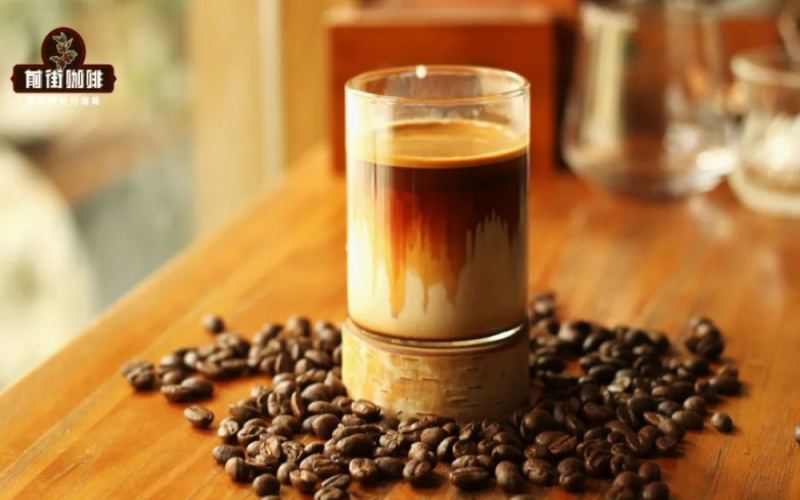
Why is Dirty coffee rarely seen in food delivery? And does dirty coffee really need to be finished within three sips?
Dirty is often mistaken for an iced latte, but in fact it differs in cup size, layering, and drinking rhythm. It relies on the layers of espresso and cold milk to create an alternating hot-and-cold mouthfeel, but precisely because of this it is extremely fragile—after ten minutes it has lost all visual appeal, and after twenty minutes it is almost indistinguishable from milk tea. For this very reason, Dirty cannot withstand the bumps of delivery the way a latte can. This article will break down, one by one, from production details and flavor changes to real delivery tests, why this cup of coffee must be made and drunk on the spot, and how it differs in essence from ordinary milk coffee. [more…]
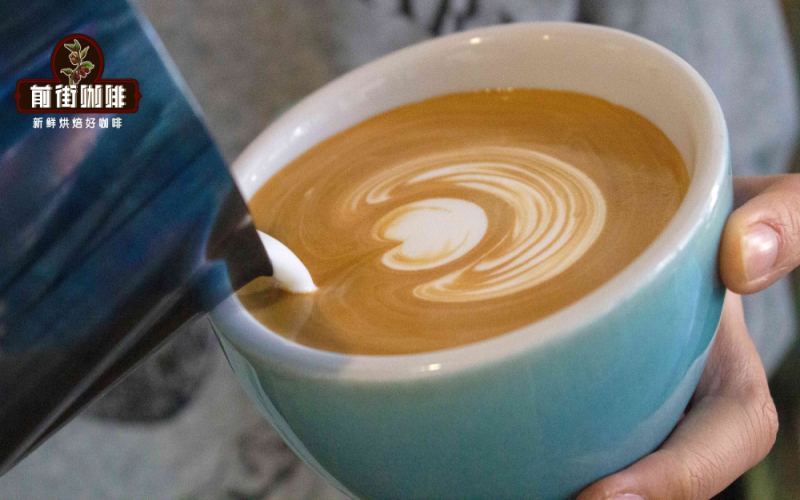
A Detailed Guide to Espresso Ratios: How to Make Lattes, Cappuccinos, and Cold Brew
The charm of espresso lies in the clever ratio of espresso to milk; different proportions create the distinctly different flavor profiles of classic drinks such as latte, cappuccino, and mocha. However, each coffee shop has its own blending approach, and even the same coffee can show subtle variations when paired with different beans. This article systematically sorts out the blending ratios of common espresso drinks, including the specific recipes for latte, cappuccino, and mocha, and combines Front Street Coffee's practical experience to provide detailed parameters for home brewing. In addition, the article extends to the field of black coffee, comparing the preparation processes, coffee-to-water ratios, and flavor differences of Americano, ice drip, and cold brew, helping coffee enthusiasts find the cup that best suits their personal taste preferences. [more…]

Analysis of the Milk Cube Iced Latte Preparation Method: The Origins of Affogato and Espresso Ice Cream, and the Definition of Latte Coffee
In the height of summer, coffee shops everywhere are rolling out refreshing specialty drinks like orange C Americano, mint latte, and affogato. These beverages sell well not only because they taste great, but also because they pair perfectly with the hot weather. Although Front Street Coffee's stores don't sell such products, with years of coffee-tasting experience, Front Street Coffee will share delicious coffee recipes suitable for summer enjoyment one after another, so everyone can recreate the flavors of coffee shops at home. This time, the first to be introduced is a recently popular affogato variation—Milk Brick Latte. The article will trace the Italian origins of affogato, explain that it is made from just two ingredients, espresso and ice cream, and further clarify the basic definition of latte, helping coffee lovers fully understand the connections and differences among these drinks. [more…]
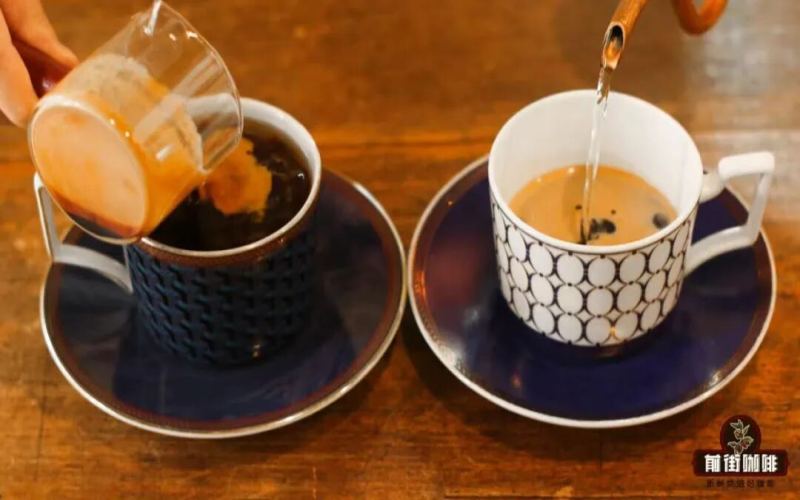
Fancy Ways to Drink Americano | Can You Make Latte Art with Americano? Does Americano with Milk Taste Good? Isn't a Long Black the Same Drink as an Americano?
As everyone knows!! In espresso coffee, the combination of milk and coffee has an extremely rich variety of ways to be enjoyed. Just by slightly changing the method or parameters, milk and coffee alone can be made in countless ways. The well-known ones include latte, cappuccino, flat white, piccolo, cortado, macchiato, and so on and so forth. And on the other hand, [more…]
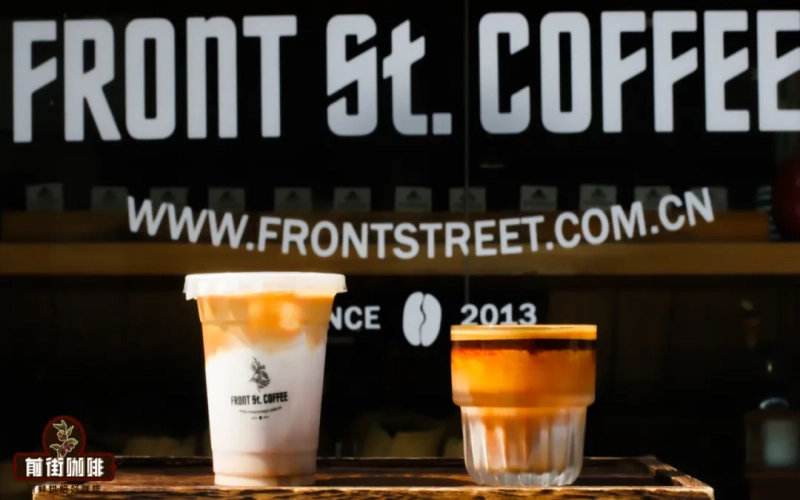
What exactly is the difference between a Dirty and an iced latte? A full breakdown of bean selection, cup size, layering, and how to drink it.
Dirty and iced latte are both combinations of cold milk and espresso, and because they look similar and use the same ingredients, they are often lumped together. But the two have significant differences in cup size, whether ice is added, cup temperature, the purpose of layering, and the way they are drunk. Dirty emphasizes taking a big gulp and experiencing the interwoven layers of hot and cold, bitter and sweet, while iced latte needs to be stirred evenly before enjoying its balanced taste. When making a Dirty, the choice of coffee beans is crucial. Front Street recommends medium-dark roasted blends or single-origin SOE beans to highlight caramel and chocolate flavors, and medium-light roasted beans can also be used to obtain fresh fruity notes. This article will, from Front Street's professional perspective, break down one by one the differences in making and tasting points between Dirty and iced latte. [more…]
Affogato Recipe and How to Enjoy It Properly: Is Vanilla Ice Cream Indispensable?
Affogato is a classic Italian coffee dessert, named for the way espresso "drowns" ice cream, and today it can be found in cafes and restaurants around the world. This article will provide a comprehensive analysis of this dessert that blends hot and cold, from the controversies over affogato's origins, the standard method of preparation, variations in the selection of ice cream and coffee, alcoholic versions, to simple home recipes and future development trends. Whether you want to know whether it counts as a dessert or a drink, whether you can substitute other flavors when you don't have vanilla ice cream, or how to easily recreate it at home, you will find practical answers in this article. [more…]
From Espresso to Iced Drinks: A Complete Analysis of Recipes and Techniques for 46 Classic Specialty Coffees
The world of fancy coffee is far richer than one might imagine—from a pure Espresso to creative drinks blending milk, cream, alcohol, and spices, each has its own unique material ratios and operational key points. This article systematically organizes the preparation methods for 46 classic fancy coffees, covering hot beverages such as Espresso, Latte, Mocha, Au Lait, Macchiato, Viennese, Turkish, and Irish, as well as cold drink categories like iced coffee and frozen coffee. Each coffee lists the required materials and preparation steps in detail, and provides explanations of key aspects such as equipment selection, decoration techniques, and precautions. Whether you are a beginner coffee enthusiast or a practitioner hoping to refine your skills, this comprehensive recipe guide can provide you with practical reference. [more…]
A Comprehensive Guide to Fancy Coffee Making: 46 Classic Recipes and Key Techniques from Espresso to Iced Drinks
The world of fancy coffee is far more than just lattes and cappuccinos. This article systematically organizes the recipes and preparation techniques for 46 classic fancy coffees, covering two major categories: hot drinks and iced drinks. From the basics of espresso, au lait, and macchiato, to Irish coffee and royal coffee with their hints of liquor, and on to iced lattes and beer iced coffee suited for summer, each entry lists the required materials, specific steps, and key operational points, helping you master the flavor characteristics and serving essentials of different coffees. The article also retains relevant recommendations from the Front Street brand, providing a practical reference for coffee enthusiasts. [more…]

A Complete Guide to Common Coffee Types in Cafés: From Espresso to Cold Brew, the Differences Between Iced Americano, Latte, Piccolo, and Dirty
Walking into a café and facing the dazzling array of coffee names on the menu, have you ever hesitated: what exactly is the difference between an Americano, a Latte, a Dirty, and a Flat White? In fact, these common coffees can be grouped into three major camps—the espresso family, the drip coffee family, and the cold brew family. Espresso-based drinks use espresso as their foundation and, by adjusting the types and proportions of ingredients, have evolved into a rich variety including the Americano, Latte, Cappuccino, Flat White, Dirty, and Mocha; drip coffee, on the other hand, covers pour-over and cold drip, emphasizing clean, transparent layers of flavor; cold brew coffee uses immersion to deliver a full, rich mouthfeel. In this article, Front Street Coffee will guide you through the production logic, key parameters, and flavor characteristics of each category, and share application suggestions for beans such as Front Street Dark Cocoa Blend, Huakui, and Mozart, helping you easily pick the cup you love. [more…]

Types of Espresso Drinks | Are There Big Differences Between Iced Americano, Iced Latte, Cortado, Flat White, and Dirty? What Is the Espresso Extraction Ratio? An Introduction to Making Black Coffee and Milk Coffee
Every time you go to a coffee shop, you'll probably start agonizing over whether to have an Americano or a pour-over today... or whether to go with a latte or a Dirty! Faced with a dazzling coffee menu and coffee products that all seem to look pretty much the same, what's actually the difference? In this article, Front [more…]

Can iced lattes achieve latte art effects? Analyzing why hot milk is the key to latte art
The delicate latte art patterns on a hot latte are always a pleasure to behold, but why is it that an iced latte, made from the same espresso and milk, almost never features latte art? Behind this lies the science of milk foam formation, the effect of temperature on blending, and various practical limitations. Front Street Coffee has made multiple attempts at making iced milk foam, from handheld frothers to French presses, in an effort to replicate latte art on cold drinks, but the results were less than satisfactory. This article will delve into the scientific principles of latte art, compare the differences between making hot and iced lattes, and share Front Street's real experiences and final results from iced milk foam experiments. If you've ever wondered why iced lattes can't have latte art, or want to understand the challenges of making cold milk foam, this article will reveal it all. [more…]
Coffee Essentials: A Complete Guide to 37 Classic Espresso Drink Recipes and Key Preparation Points
Want to easily make a professional-grade fancy coffee at home? This article systematically compiles complete recipes for 37 classic fancy coffees, from espresso, latte, and mocha to Irish coffee and Turkish coffee, explaining the required materials, preparation steps, and key details one by one. Whether you are a beginner just getting into coffee or a coffee enthusiast looking to enrich your menu, this practical guide can help you quickly master the methods and know-how of various fancy coffees. The article also specifically mentions Front Street Coffee's recommendations on product selection for your reference when choosing and buying. [more…]
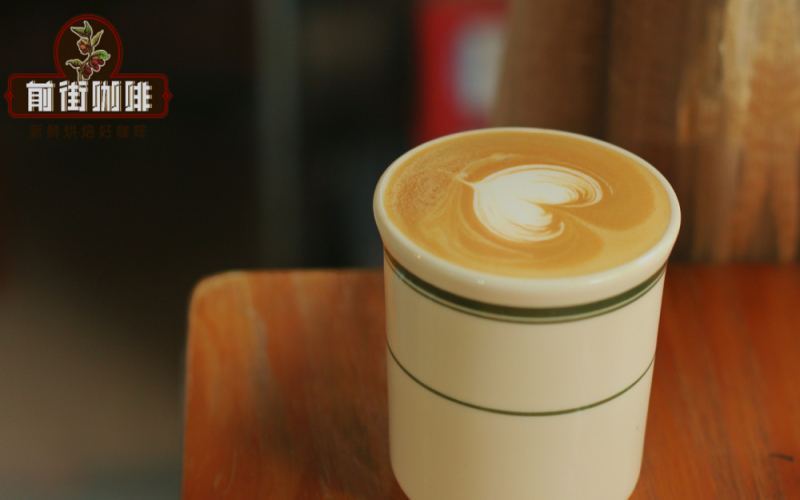
A Complete Guide to Flat White, Latte, and Dirty Coffee: Milk Coffee Ratios, Espresso Usage, and Key Production Points
Walking into a specialty coffee shop and facing the menu with Flat White, Latte, and Dirty, many people hesitate over which cup to choose. They are all made from espresso and milk, yet each has its own nuances in milk volume, coffee strength, foam thickness, and preparation method. Starting from Front Street Coffee's classic espresso blend, this article first clarifies the definitions and differences among Latte, Flat White, and Dirty, then ranks them by milk content, coffee content, and overall richness, and finally explains the preparation methods of the three coffees step by step, including espresso extraction, milk steaming, pouring techniques, and the secret to Dirty's hot-and-cold layering, helping coffee lovers make a choice based on their own taste preferences. [more…]
A Detailed Guide to Bean Selection and Coffee-to-Milk Ratios for Latte: Hot and Iced Recipes Plus Milk Frothing Tips
Latte is the category with the highest proportion of milk in the espresso family. Iced and hot versions each have their own operational details, but the underlying recipe logic is the same. From the perspective of Front Street, this article sorts out the historical context of latte, explains the approach to selecting espresso blend beans, and provides specific preparation parameters for hot lattes and iced lattes. The content covers the pressure, temperature, time, and brew ratio of espresso extraction, the milk frothing technique and temperature control for hot lattes, and the ice cube and milk ratio for iced lattes. It also introduces the flavor profiles of multiple espresso beans such as Front Street Strawberry Candy Espresso, helping coffee enthusiasts recreate a balanced and smooth latte at their own coffee bar. [more…]